Ableism Explained

What It Is, What It Looks Like, and How We Can Do Better
Have you ever heard someone say, “You don’t look disabled,” or watched a person receive suspicious looks because they stood up from their wheelchair?
These situations are examples of ableism, a form of discrimination that many disabled people encounter every day.
Ableism can be obvious, like refusing to install an accessible entrance or it can be subtle, such as assuming someone is lazy because they use a mobility aid or questioning whether they are “disabled enough.”
For ambulatory wheelchair users and people with invisible or dynamic disabilities, ableism often comes from misunderstandings rather than malice. However, even unintentional ableism can be hurtful and create barriers to leading a full life.
What Is Ableism?
Ableism is discrimination, prejudice, stereotyping or bias against disabled people. It also includes the belief that non-disabled people are somehow more “normal,” capable or valuable than people with disabilities.
Ableism can show up in many ways, including:
- Physical barriers that prevent access
- Negative attitudes or assumptions
- Exclusion from activities or opportunities
- Inaccessible products and technology
- Policies that fail to consider disabled people
- Language that reinforces harmful stereotypes
Sometimes ableism is intentional, but more often it stems from a lack of awareness or understanding.
What Is an Ambulatory Wheelchair User?
One common source of ableism is that wheelchair users must be completely unable to walk.
In reality, lots of wheelchair users can walk.
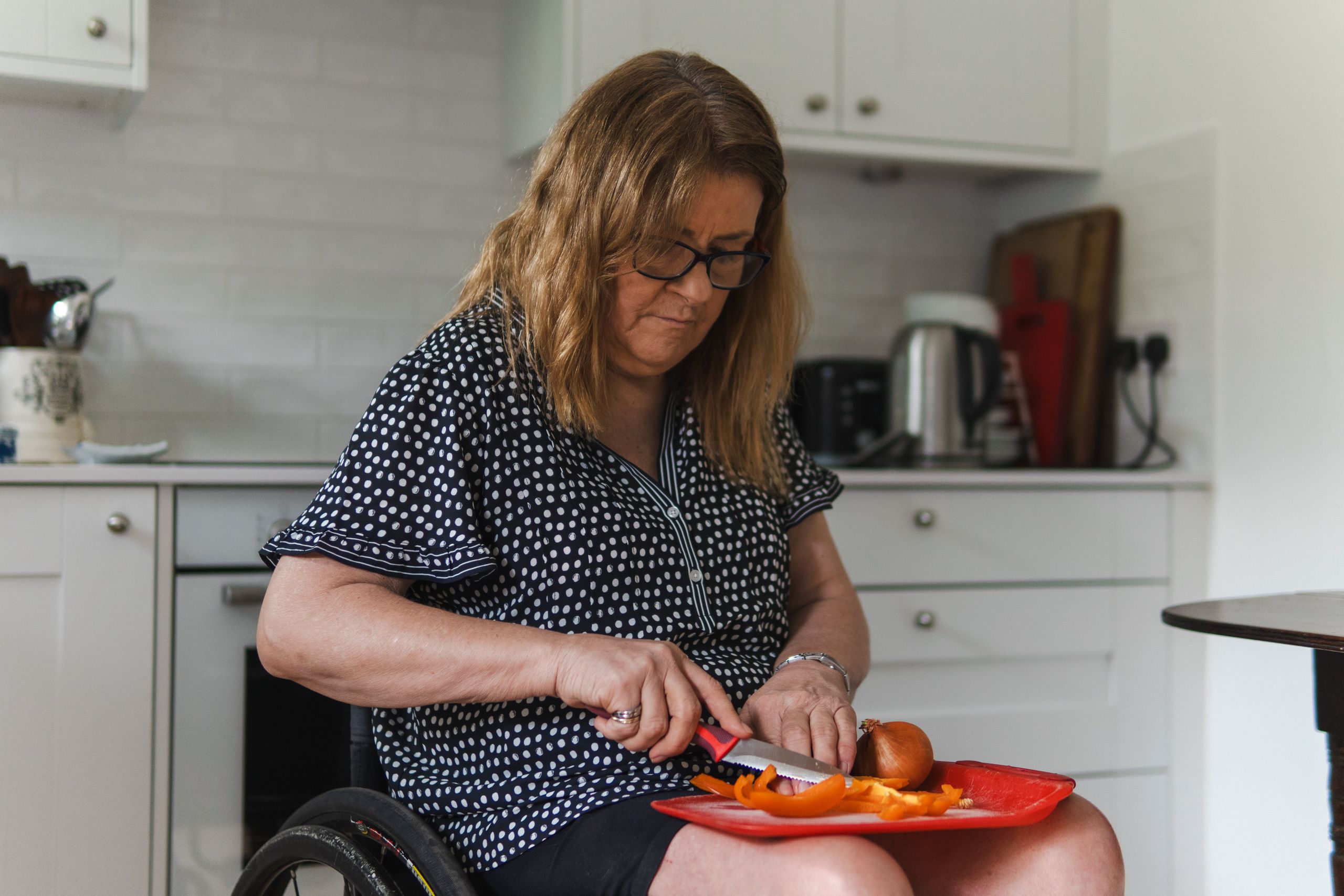
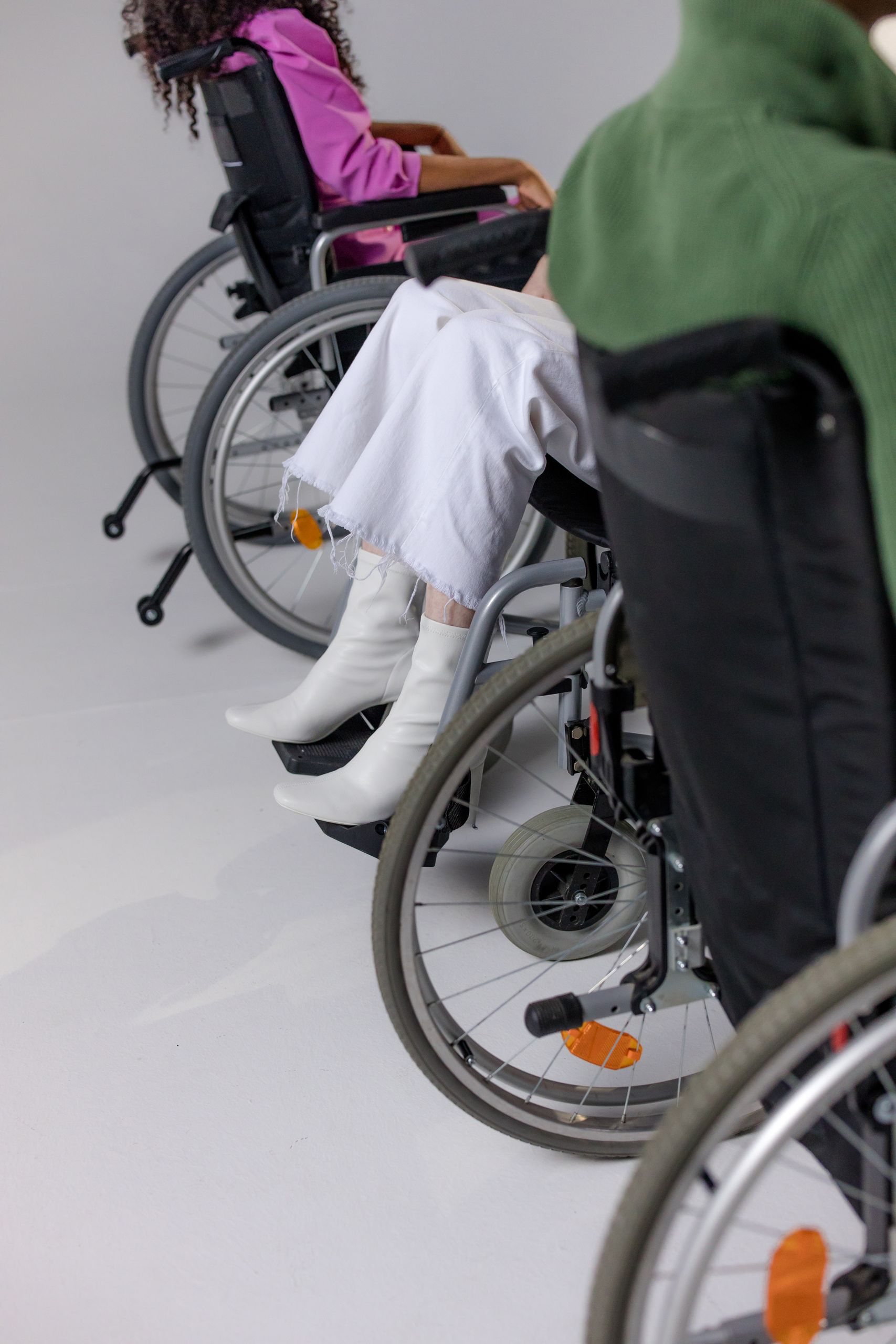
An ambulatory wheelchair user is someone like me, who can walk for some distance or under certain circumstances but needs a wheelchair to reduce pain, manage fatigue, improve safety, conserve energy or participate fully in daily life.
Someone might:
- Walk around their home but use a wheelchair for shopping.
- Stand briefly to reach an item on a shelf.
- Walk short distances but need a wheelchair for longer outings.
- Use a wheelchair only during flares.
Using a wheelchair part-time doesn’t make someone “less disabled.” It means they’re using the right tool for their needs.
Examples of Ableism in Everyday Life
Ableism isn’t always obvious. It can appear in small, everyday ways that can leave disabled people feeling dismissed or excluded.
“But You Don’t Look Disabled”
Many disabilities are invisible.
Conditions such as fibromyalgia, multiple sclerosis, arthritis, POTS, Ehlers-Danlos syndrome, chronic fatigue syndrome and chronic pain often have no outward signs.
Assuming someone isn’t disabled because they don’t fit a stereotype is a common form of ableism.
Questioning Mobility Aid Use
Many ambulatory wheelchair users hear comments like:
- “Why are you in a wheelchair if you can walk?”
- “I saw you standing earlier.”
- “You’re too young for a wheelchair.”
These kind of comments ignore the reality that mobility needs can change hour to hour or day to day. Anyone, at any time, can become disabled.
Speaking to Someone Else Instead
One of the most frustrating experiences for wheelchair users is when people direct questions to a spouse, caregiver or friend instead of speaking directly to the disabled person.
A wheelchair affects mobility, not intelligence or communication.
Always address the person, not the companion.
Assuming Disabled People Need Help
Offering assistance can be kind, but assuming it’s needed isn’t helpful.
Instead of grabbing someone’s wheelchair or pushing them without permission, simply ask:
“Would you like a hand?”
Respect the answer, whether it’s yes or no.
Designing Without Accessibility in Mind
Ableism isn’t just about attitudes.
It’s also about environments that exclude people.
Examples include:
- Buildings with only stairs
- Narrow doorways
- Heavy manual doors
- Websites that don’t work with screen readers
- Spaces without accessible seating
- Washrooms that aren’t wheelchair-friendly
Accessibility should be considered from the beginning, not as an “oh, yeah” afterthought.
Internalized Ableism
Ableism doesn’t only come from other people.
Sometimes disabled people begin to absorb society’s negative messages and apply them to themselves. This is called internalized ableism.
It can sound like:
- “I’m not disabled enough to use a wheelchair.”
- “People will think I’m faking.”
- “I should push through the pain.”
- “Using a mobility aid means I’ve failed.”
These thoughts are understandable, especially in a society that often celebrates independence and productivity.
The truth is that a mobility aid is not a sign of weakness. It’s a way to protect your body, save your energy and participate more fully in life.
Why Ableism Hurts
Ableism affects more than feelings, it can have real consequences.
Disabled people may delay using mobility aids because they fear judgment. They may avoid asking for accommodations, skip social events, or overexert themselves to appear “normal.”
These choices can lead to increased pain, fatigue, injuries and isolation.
Everyone deserves the opportunity to participate in work, school, family life and recreation without barriers.
How to Be a Better Ally
Creating an inclusive world doesn’t require grand gestures. Small changes can make a difference.
Believe People About Their Experiences
If someone says they are disabled, believe them.
Not every disability is visible, and no one should have to “prove” their medical condition to strangers.
Don’t Question Mobility Aids
A wheelchair, cane, walker, or rollator is a tool, not an invitation for a public debate.
Avoid asking intrusive questions or suggesting that someone doesn’t “need” their mobility aid because you saw them standing or walking.
Ask Before Helping
Good intentions matter, but so does consent.
Instead of grabbing someone’s wheelchair or offering assistance, ask politely:
“Can I help with anything?”
Respect the answer, whatever it may be.
Use Respectful Language
Words shape attitudes.
Avoid terms that portray disabled people as inspirational simply for living their everyday lives or language that implies disabled people are to be pitied.
Instead, focus on respect, inclusion and the person’s individuality.
Advocate for Accessibility
If you notice an inaccessible entrance, event or website, speak up.
Accessibility benefits more people than you might realize, including older adults, parents with strollers, people recovering from injuries and anyone having temporary mobility challenges.
What Ableism Is Not
Sometimes people worry about making mistakes, but it’s important to remember that asking respectful questions, learning and being open to feedback are not forms of ableism.
Most disabled people appreciate genuine curiosity when it’s expressed thoughtfully and respectfully.
The goal isn’t perfection, it’s a willingness to listen, learn, and improve.
Building a More Inclusive World
Creating an accessible and inclusive society starts with recognizing that disability is a natural part of the human experience.
At some point in life, many of us will experience temporary, episodic or permanent disability, whether through illness, injury or aging.
When we design communities, workplaces and public spaces with accessibility in mind, everyone benefits.
Most importantly, remember this:
A wheelchair user who stands up is still a wheelchair user.
Someone with an invisible illness is still disabled.
A person doesn’t have to look disabled to deserve respect, accessibility and understanding.
Ableism thrives on assumptions.
It assumes disability always looks the same. It assumes everyone experiences mobility in the same way. It assumes independence is measured by doing everything without help.
But disability is incredibly diverse.
By listening to disabled voices, challenging stereotypes, and making accessibility a priority, we can build communities where everyone feels welcome and valued.
Whether you’re an ambulatory wheelchair user, a caregiver, a family member, or someone who simply wants to learn, taking the time to understand ableism is an important step toward creating a more inclusive world.
Because everyone deserves to live with dignity, respect, and the freedom to participate fully, no explanations required.