Loading a Wheelchair into a Vehicle

Options for Every Strength, Budget, and Mobility Level
One of the biggest problems for new wheelchair users isn’t the wheelchair itself, it’s how to get it into your vehicle.
Whether you use your wheelchair full-time or only for longer outings, finding a way to get it into your vehicle, that works for your body, your vehicle and your budget can make a huge difference in your independence.
The good news is that there isn’t just one way to transport a wheelchair. From lightweight folding chairs to vehicle lifts, there are solutions for almost every situation.
Let’s explore the most common ways to load a wheelchair into a car, along with pros and cons of each option.
Before You Choose a Loading Method
Before investing in some expensive equipment, ask yourself a few questions:
- How much does your wheelchair weigh?
- Can you safely lift it?
- Do you drive yourself or does someone usually drive you?
- Will you often be travelling alone?
- What type of vehicle do you own?
- How much storage space do you need?
- What is your budget?
The answers will help narrow down the best solution for your needs.
Option 1: Fold and Lift It Into the Trunk
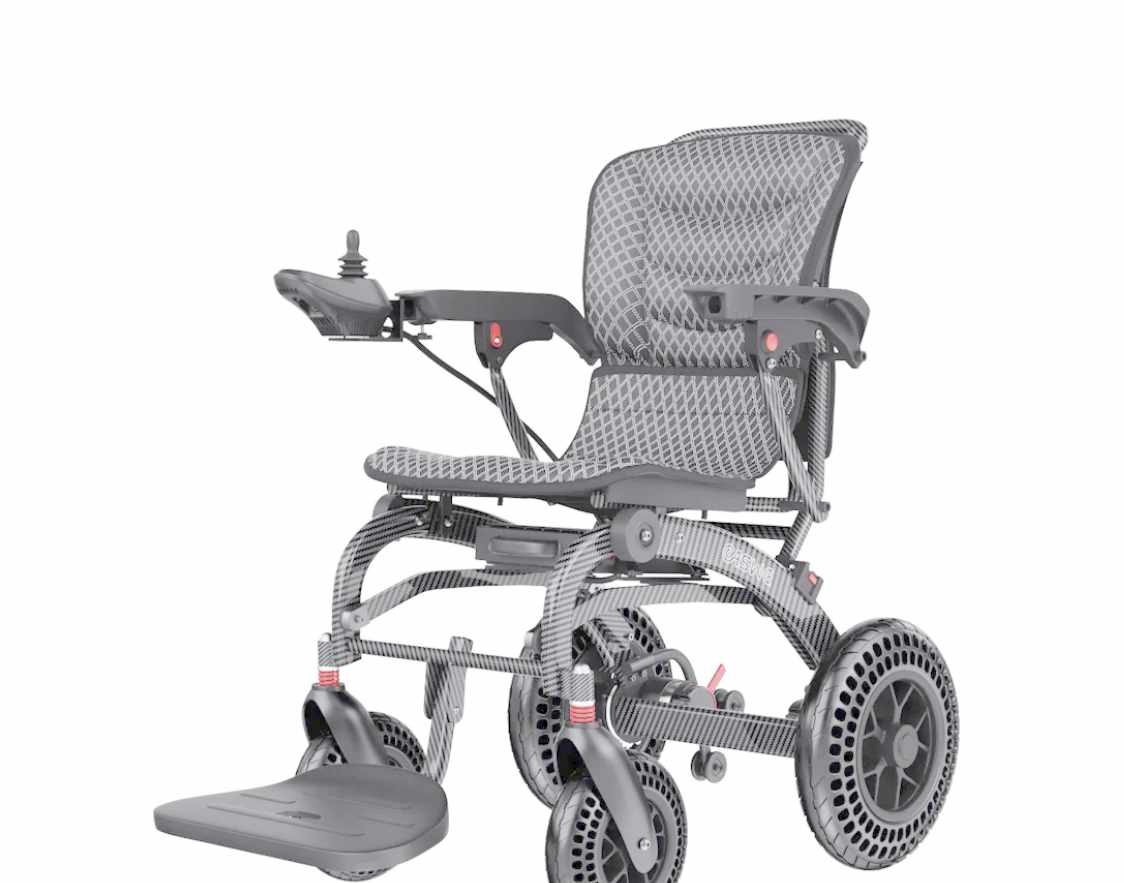
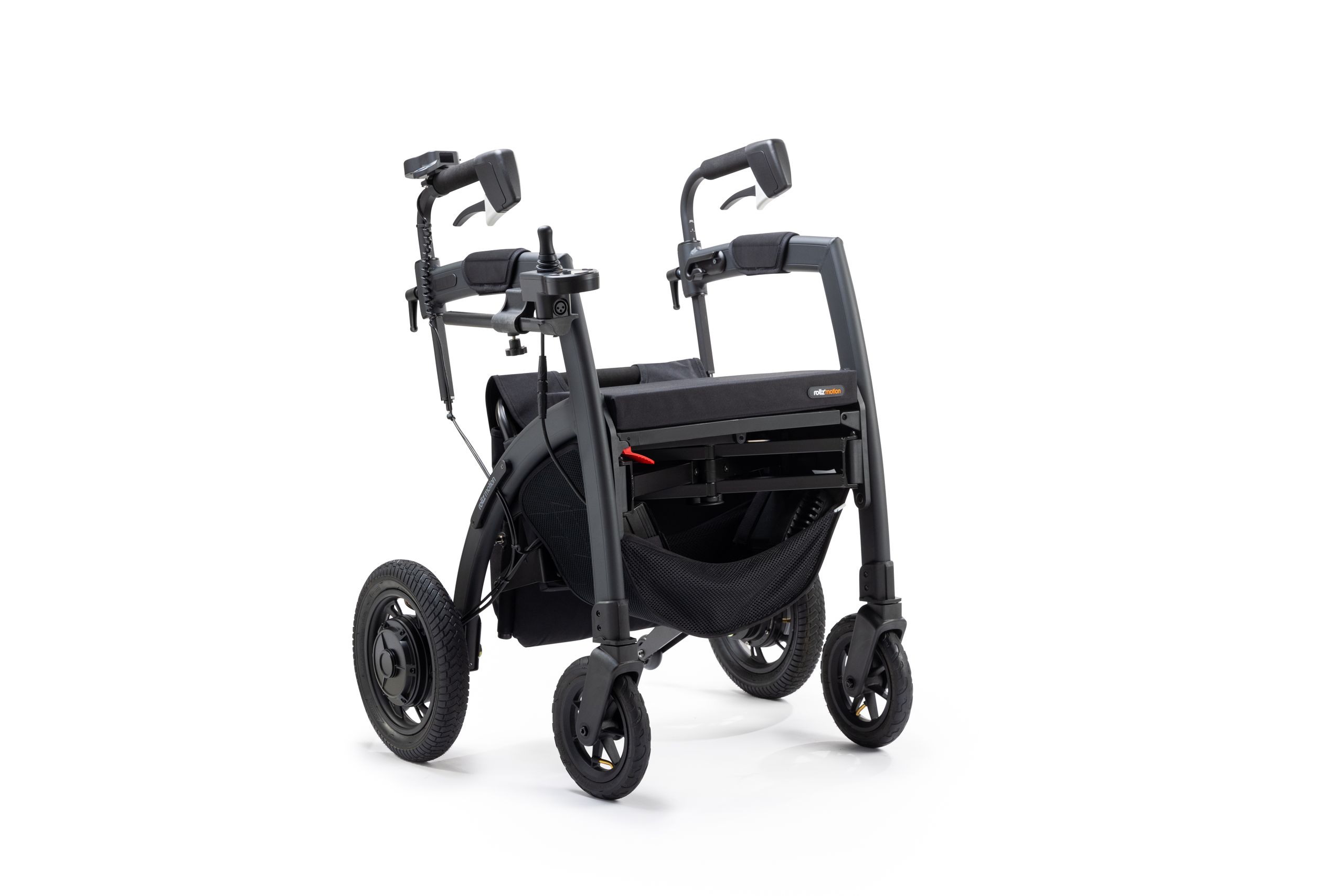
This is the simplest and most affordable option for people using lightweight manual wheelchairs or folding power wheelchairs.
Best for
- Lightweight manual wheelchairs
- Folding travel wheelchairs
- Lightweight folding power wheelchairs
Pros
- No additional equipment required
- Lowest cost
- Works with most vehicles
- Easy if the chair weighs less than about 15–20 kg (35–45 lbs)
Cons
- Requires lifting strength
- Can strain your back, shoulders or knees
- May not be suitable if you have chronic pain or fatigue
Tips
- Remove the battery first if your power wheelchair allows it.
- Fold the chair before lifting.
- Lift with your legs, not your back.
- Don’t be afraid to ask for help when needed.
Option 2: Place It Behind the Front Seat
Some lightweight folding wheelchairs can fit behind the driver’s or passenger’s seat.
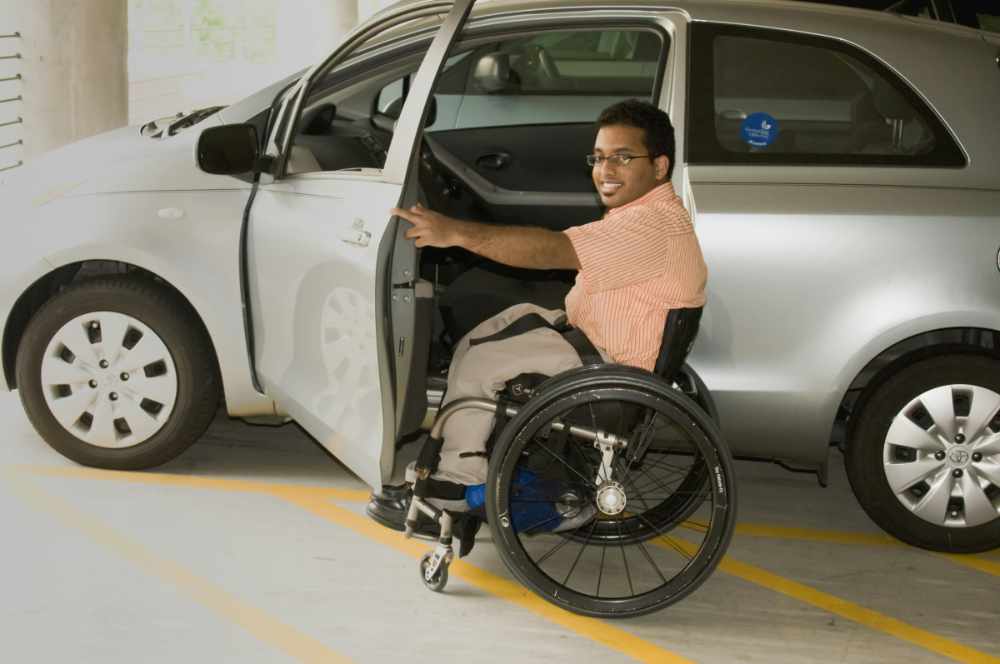
This allows you to transfer into the driver’s seat and keep your wheelchair within easy reach.
Best for
- Solo drivers
- Small folding chairs
- Compact vehicles
Pros
- Quick access
- No trunk required
- Great for frequent stops
Cons
- Limited by vehicle size
- Not suitable for larger wheelchairs
Option 3: Use a Portable Loading Ramp
Some people use a lightweight ramp to roll a wheelchair into the cargo area of an SUV or van instead of lifting it.
Best for
- Heavier manual chairs
- Folding power wheelchairs
- SUVs and hatchbacks
Pros
- Reduces heavy lifting
- Less strain on your body
- Relatively affordable
Cons
- Requires storage space for the ramp
- May still require some pushing effort
- Not practical for every vehicle
Option 4: A Hoist or Boot Lift
A vehicle hoist (sometimes called a boot lift or trunk lift) uses an electric arm to lift the wheelchair into the trunk.
The user simply attaches the wheelchair, presses a button and the hoist does the lifting.
Best for
- Heavier wheelchairs
- People with limited lifting ability
- Regular wheelchair users
Pros
- Minimal physical effort
- Protects your joints
- Can lift much heavier chairs
- Great for maintaining independence
Cons
- Higher cost
- Professional installation required
- Takes up some cargo space
Option 5: Roof-Mounted Wheelchair Carriers
Some systems lift and store a folded wheelchair in a weatherproof roof box.
These are typically designed for lightweight manual wheelchairs.
Best for
- Manual wheelchair users
- Drivers who need trunk space
Pros
- Keeps your trunk free
- Automated loading
- Convenient for frequent drivers
Cons
- Expensive
- Requires vehicle modifications
- Not suitable for most power wheelchairs
Option 6: Exterior Platform Lifts
These attach to a trailer hitch and carry the wheelchair on a platform behind the vehicle.
Many can accommodate heavier power wheelchairs and mobility scooters.
Best for
- Heavy power wheelchairs
- Scooters
- Larger mobility devices
Pros
- No lifting required
- Works with heavier equipment
- Preserves interior cargo space
Cons
- Adds length to your vehicle
- Exposes the chair to weather unless covered
- Can make parking more challenging
Option 7: Wheelchair-Accessible Vans
Wheelchair-accessible vans are designed with ramps or lifts that allow users to enter while seated in their wheelchair.
Some people remain in their wheelchair while travelling, while others transfer to the driver’s or passenger’s seat.
Best for
- Full-time wheelchair users
- Larger power wheelchairs
- Families requiring maximum accessibility
Pros
- Easiest solution for heavy wheelchairs
- Minimal transfers
- Excellent accessibility
Cons
- Highest cost
- Larger vehicle
- More maintenance
Option 8: Ask for Help
There is absolutely no shame in asking for help.
If lifting your wheelchair will increase your pain or risk an injury, asking a friend, family member or companion for help is often the safest choice.
Protecting your body today means preserving your mobility for tomorrow.
Tips to Make Loading Easier
Remove the Battery
Many folding power wheelchairs have removable batteries that reduce the chair’s weight significantly.
Remove Accessories
Cup holders, backpacks, oxygen tanks, seat cushions and bags can all add extra weight.
Use Good Body Mechanics
Avoid twisting while lifting.
Keep the wheelchair close to your body and bend your knees rather than your back.
Practice at Home
The first few attempts may feel awkward.
Practising in your driveway or garage can help you develop a comfortable routine before heading out.
Don’t Overdo It
If loading your wheelchair leaves you exhausted or in pain before you’ve even started your outing, it may be time to consider a different loading method.
The goal of using a mobility aid is to make life easier, not harder.
Which Option Is Right for You?
The best choice depends on your wheelchair, vehicle, strength and daily routine.
| Situation | Good Options |
|---|---|
| Lightweight manual wheelchair | Fold into trunk, behind seat, roof carrier |
| Folding power wheelchair | Trunk, ramp, hoist |
| Heavy power wheelchair | Hitch-mounted platform lift, hoist, accessible van |
| Travelling alone | Hoist, behind-seat storage, accessible van |
| Limited upper-body strength | Hoist, platform lift, accessible van |
| Tight budget | Folding and lifting manually, portable ramp |
There is no “right” way to transport a wheelchair, only a method that works best for your body and lifestyle.
As your mobility needs change, the way you load may change too. What works today might not work a few years from now and that’s perfectly okay. The goal is to always to make getting out into the world as safe and stress-free as possible.
Remember, your wheelchair is a tool that helps you participate in life. If getting it into your vehicle is becoming difficult or painful, don’t hesitate to explore ways to make the process easier. Protecting your energy and your joints means you’ll have more to enjoy once you reach your destination.