Spoon Theory Explained: What It Means to Live with Chronic Illness

If you’ve spent any time in the chronic illness community, you’ve probably heard someone say, “I’m out of spoons today.” To someone unfamiliar with the phrase, it might sound confusing or even a little strange.
But for millions of people living with chronic illnesses, dynamic disabilities, chronic pain or fatigue, the “Spoon Theory” is one of the simplest and most effective ways to explain what daily life is really like.
Whether you have fibromyalgia, lupus, multiple sclerosis, ME/CFS, arthritis, POTS, Ehlers-Danlos syndrome or another invisible illness, Spoon Theory provides the language for something that’s often difficult to describe: limited energy that can’t simply be fixed with a good night’s sleep.
What Is Spoon Theory?
Spoon Theory was created in 2003 by disability advocate Christine Miserandino.
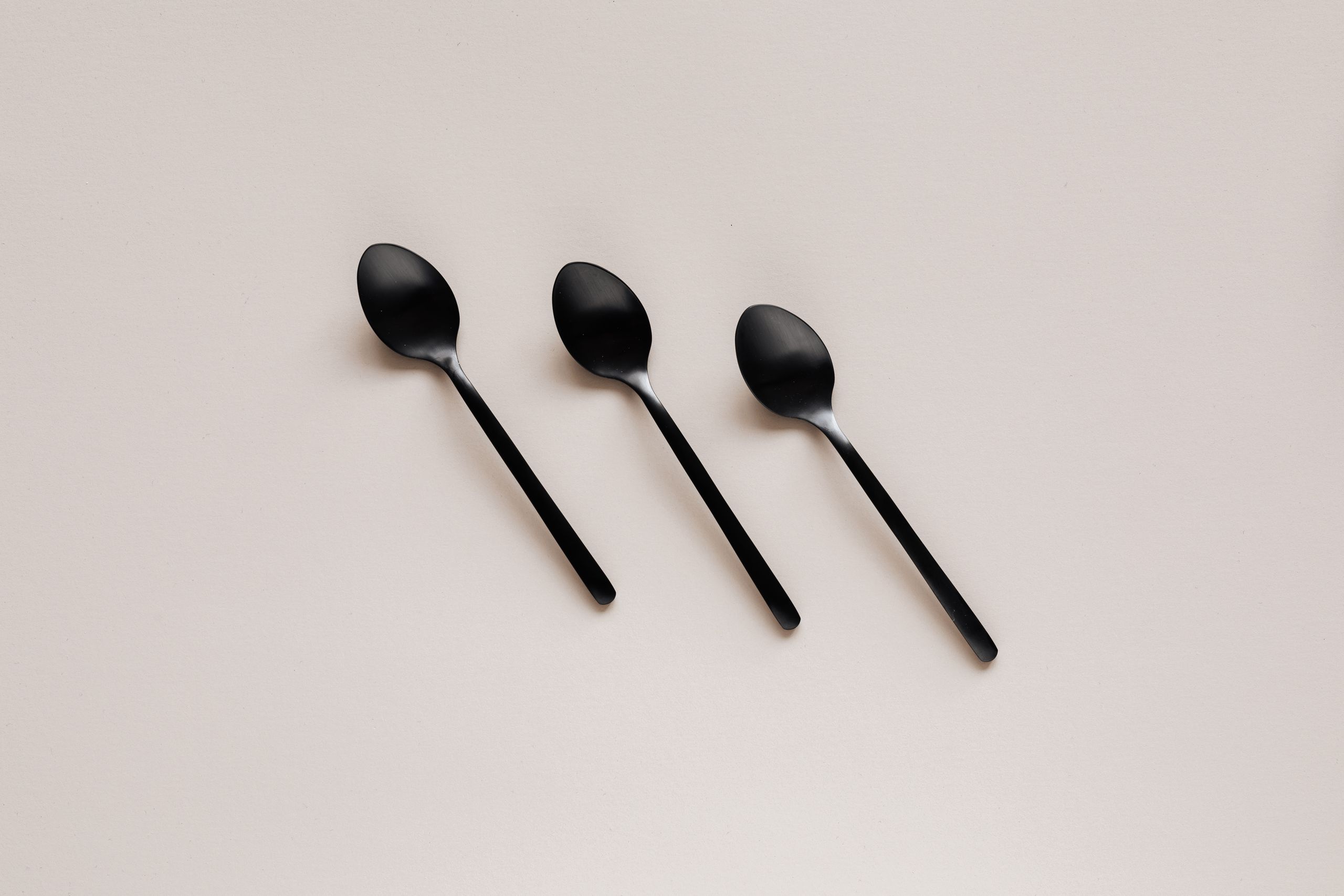
While eating at a restaurant with a friend, Christine was trying to explain what living with lupus felt like. She grabbed several spoons from nearby tables and handed them to her friend.
Each spoon represented a unit of energy.
Simple activities like getting dressed, taking a shower, making breakfast, driving to work, each required giving away one or more spoons.
Unlike someone without a chronic illness, once all the spoons were gone, there were no extras hidden away. Every activity required careful thought because using too many spoons now could mean paying for it later with pain, exhaustion or a flare-up.
The analogy resonated with people around the world because it captured something so many had struggled to explain.
What Does a Spoon Represent?
A spoon isn’t an exact measurement of energy.
Instead, it represents all the physical, mental and emotional resources you have on any given day.
Your spoons might include:
- Physical energy
- Mental focus
- Pain tolerance
- Emotional resilience
- Balance + coordination
- Ability to recover after activity
Some days you may wake up with 20 spoons.
Other days, you may only have five.
And you don’t get to choose how many you start with.
How Many Spoons Do Everyday Tasks Use?
Everyone’s experience is different, but here’s an example.
Imagine you wake up with 12 spoons.
| Activity | Approximate Spoon Cost |
|---|---|
| Getting out of bed | 1 |
| Showering | 2 |
| Getting dressed | 1 |
| Making breakfast | 1 |
| Driving to an appointment | 2 |
| Grocery shopping | 3 |
| Making dinner | 2 |
| Washing dishes | 1 |
You’ve already spent all 13 spoons and your day isn’t even over.
Now imagine adding:
- A doctor’s appointment
- Looking after children
- Working a job
- Cleaning the house
- Walking the dog
- A fibromyalgia flare
- Poor sleep the night before
Suddenly you’re operating in “negative spoons.”
Why Healthy People Sometimes Don’t Understand
One of the hardest parts of living with chronic illness is that many dynamic disabilities are invisible.
Someone might look perfectly healthy while silently managing:
- Severe pain
- Crushing fatigue
- Joint instability
- Dizziness
- Muscle weakness
- Brain fog
- Nausea
People often hear comments like:
- “But you looked fine yesterday.”
- “You’re too young to need a wheelchair.”
- “Maybe if you exercised more, trying yoga, took supplements…”
- “Everyone gets tired.”
What others don’t see is that attending one event may have used every available spoon for the next several days.
Spoon Theory and Ambulatory Wheelchair Users
For many ambulatory wheelchair users, Spoon Theory explains why mobility aids are tools for independence, not signs of giving up.
Walking may technically be possible.
But walking can cost far more spoons than using a wheelchair, rollator, cane or mobility scooter.
For example:
Walking through a shopping mall might use six spoons.
Using a power wheelchair might only use two.
Those four saved spoons can mean the difference between:
- Enjoying lunch afterward
- Visiting another store
- Making dinner that evening
- Having enough energy to spend time with family
Using mobility aids isn’t about what you can’t do.
It’s about preserving energy for the things that matter most.
The Hidden Cost of “Pushing Through”
Many people with chronic illness spend years trying to ignore their limits.
Society often praises perseverance.
We’re told to:
- Push harder.
- Keep going.
- Don’t quit.
- Fight through the pain.
Unfortunately, chronic illness doesn’t always work that way.
Overusing today’s spoons often means borrowing from tomorrow.
That can trigger:
- Fibromyalgia flares
- Increased pain
- Fatigue crashes
- Migraine attacks
- Days spent recovering
Pacing isn’t laziness.
It’s a medical management strategy.
What Is Pacing?
Pacing means balancing activity with rest before symptoms become overwhelming.
Instead of waiting until you’re completely exhausted, pacing encourages you to:
- Break large tasks into smaller ones.
- Rest before you feel desperate for a break.
- Alternate physical and mental activities.
- Prioritize what’s truly important.
- Accept that not everything has to be done today.
Many people find they actually accomplish more over time because they’re avoiding major crashes.
It’s Okay to Save Your Spoons
One of the biggest lessons Spoon Theory teaches is that your energy is valuable.
You don’t owe every spoon to work, housework or other people’s expectations.
Sometimes using your spoons for:
- Reading a book
- Playing with your children
- Gardening for ten minutes
- Meeting a friend for coffee
- Watching a movie with your partner
is just as important as doing laundry.
Your quality of life matters too.
Supporting Someone Who Lives with Spoon Theory
If someone in your life has a chronic illness, one of the kindest things you can do is believe them.
Instead of saying:
- “You’ll be fine.”
- “Just push through.”
- “You don’t look sick.”
Try saying:
- “How are your energy levels today?”
- “Would using your wheelchair make today easier?”
- “Can I help with that?”
- “It’s okay if you need to cancel.”
Understanding Spoon Theory helps replace judgment with empathy.
Everyone’s Spoon Count Is Different
No two people have the same illness, symptoms or energy levels.
Even people with the same diagnosis can experience very different limitations.
Some days you may feel almost like yourself.
Other days, brushing your teeth may be the biggest accomplishment.
Neither day defines your worth.
Spoon Theory isn’t just a metaphor, it’s a reminder that energy is a limited resource for people living with chronic illnesses and dynamic disabilities.
Learning to manage your spoons isn’t about giving up on life. It’s about making thoughtful choices that help you participate in activities that bring you joy, maintain your health and reduce unnecessary suffering.
If you use a wheelchair, walker, cane, rollator or other mobility aid to conserve your spoons, you’re not taking the easy way out. You’re making a practical decision that helps you live more fully.
And that’s something worth celebrating.
Have you heard of Spoon Theory before? We’d love to hear your experience. How do you manage your spoons on difficult days? Share your thoughts in the comments, you may help someone else feel a little less alone.