
Walking Sticks vs. Cane:The Ultimate Showdown

Which Mobility Aid Is Right for You?
When it comes to the phrase “mobility aids”, many people automatically think of a traditional cane. However, walking sticks have become increasingly popular for people looking for a bit of extra support, improved balance and greater confidence while staying active.
Although both walking sticks and canes serve similar purposes, they are designed differently and each offer unique benefits. Understanding these differences can help you choose the one that best fits your lifestyle and needs.
What Is the Difference Between a Walking Stick and a Cane?
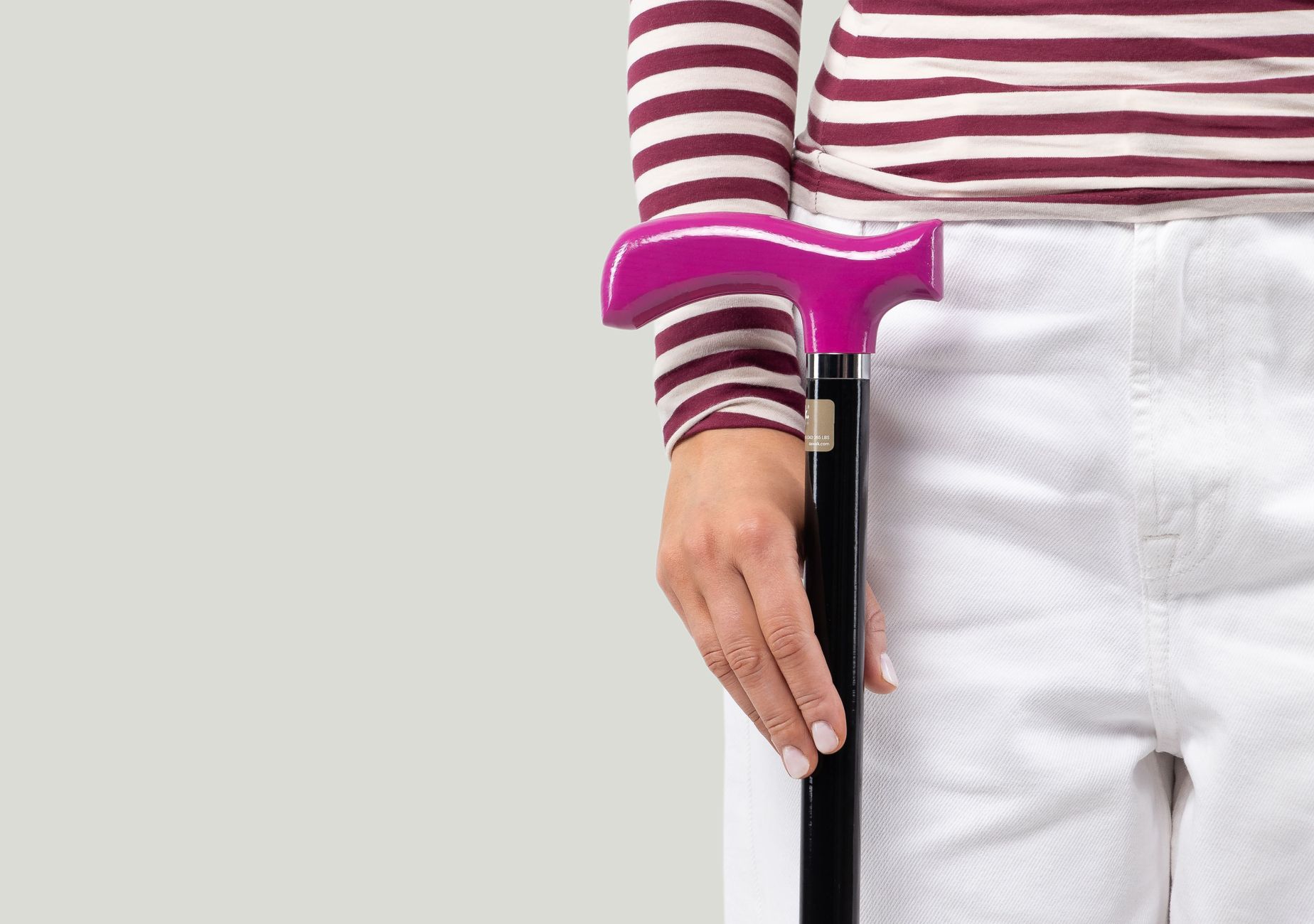
A cane is usually designed to provide support on only one side of the body, helping reduce weight-bearing on an injured or painful leg for example. Canes often feature ergonomic handles and rubber tips and are commonly prescribed for everyday mobility help.
A walking stick, on the other hand, is traditionally associated with hiking and outdoor activities. Modern walking sticks are lightweight, adjustable and designed to improve balance and stability across a variety of terrains.
Benefits of Using a Walking Stick
1. Improved Balance
Walking sticks provide an additional point of contact with the ground, helping users maintain better balance while walking. This can be especially helpful for people with:
- Mild balance issues
- Vestibular disorders
- Neuropathy
- Arthritis
- Multiple sclerosis
- Parkinson’s disease
Many users find that a walking stick offers reassurance and confidence, particularly when going over uneven surfaces.
2. Better Posture
Unlike some canes that encourage users to lean heavily to one side, walking sticks promote a more upright position. Proper adjustment allows the user to maintain a natural gait while reducing strain on both the back and the shoulders.
3. Excellent for Outdoor Activities
Walking sticks shine when used outdoors. Whether you’re:
- Walking on trails
- Exploring parks
- Gardening
- Attending outdoor events
- Walking on gravel or grass
A walking stick can provide valuable support where sidewalks and indoor floors aren’t available.
4. Lightweight and Portable
Most modern walking sticks are made from aluminum, carbon fibre or lightweight composites. Most models fold or collapse for easy transport, making them great for travel.
5. Encourages Physical Activity
For some people, using a walking stick feels less medical and more recreational than using a cane. This perception can encourage people to stay active, spend more time outdoors and continue participating in activities they enjoy.
Benefits of Using a Cane
1. Better Weight-Bearing Support
If you need to reduce pressure on a painful knee, hip, ankle or foot, a cane is often the better choice. Canes are specifically designed to transfer some body weight away from the affected side.
People with:
- Osteoarthritis
- Joint injuries
- Hip pain
- Knee replacements
- Recovery from surgery
often benefit from the added support a cane provides.
2. Designed for Daily Mobility
Canes are built for regular use in a variety of environments, including:
- Grocery stores
- Shopping malls
- Workplaces
- Medical appointments
- Around the home
Their ergonomic handles make them comfortable for extended periods of use.
3. More Stability Options
Canes are available in several designs:
- Standard single-point canes
- Offset-handle canes
- Quad canes with four feet
- Folding travel canes
This variety allows people to select the level of stability that matches their needs.
4. Easier for Individuals with Significant Weakness
Those who require substantial support often find canes easier to rely on because they are specifically designed to bear weight safely and consistently.
When a Walking Stick May Be the Better Choice
A walking stick may be ideal if:
- You primarily need balance support.
- You enjoy outdoor activities.
- You walk on uneven terrain.
- You have mild mobility limitations.
- You want a lightweight, portable option.
When a Cane May Be the Better Choice
A cane may be the better option if:
- You need to offload weight from a painful joint.
- You are recovering from surgery.
- You have moderate limitations.
- You need reliable support throughout the day.
- Your healthcare provider has recommended a cane.
Can You Use Two Walking Sticks?
Absolutely. Many people find that using two walking sticks, similar to trekking poles, provides significantly greater stability than a single cane. Using both arms helps distribute weight more evenly and can reduce strain on the knees, hips and lower back.
For people with arthritis, chronic pain conditions or balance challenges, dual walking sticks can offer a surprisingly comfortable way to stay active.
The Bottom Line
Neither a walking stick nor a cane is inherently better, they simply have different jobs. Walking sticks are great at improving balance, confidence and outdoor mobility, while canes provide stronger support for weight-bearing and everyday mobility needs.
The best choice depends on your specific mobility challenges, activity level and personal preferences. Many people even keep both on hand, using a cane for daily activities and a walking stick for outdoor adventures.
Remember, the right mobility aid is the one that helps you move safely, comfortably and confidently.