
How to Travel Confidently as an Ambulatory Wheelchair User

Travel is one of life’s pleasures. Whether you’re planning a weekend getaway, visiting family, exploring a new city, or taking that dream vacation, you deserve to enjoy the experience without worrying about whether your body will cooperate.
But travelling with mobility challenges can require a little extra planning, especially if you’re an ambulatory wheelchair user.
Being an ambulatory wheelchair user means you can walk to some degree but use a wheelchair for some or all of your mobility needs. Maybe you can manage short distances but struggle with longer walks. Maybe standing leaves you exhausted, or chronic pain and unpredictable symptoms make walking from one end of an airport to the other feel impossible.
Whatever your situation, using a wheelchair doesn’t mean you have to give up travelling. With a bit of prep, the right mobility equipment, and a willingness to ask for accommodations, you can explore the world in a way that works for you.
Let’s look at how to make your next trip comfortable, accessible, and enjoyable.
1. Give Yourself Permission to Use Your Wheelchair
One of the biggest challenges for ambulatory wheelchair users isn’t finding accessible transportation or accommodation. Sometimes, it’s overcoming the feeling that we shouldn’t need a wheelchair because we can still walk.
You might worry about what other people think when they see you standing. Perhaps you’ve had someone questioning your need for a mobility aid, or you feel guilty using a wheelchair when another person might need it more.
Let’s put those worries into perspective.
You don’t have to be completely unable to walk to benefit from a wheelchair.
If walking long distances causes major pain, fatigue, weakness, or instability, using a wheelchair can helps conserve energy and do activities that might otherwise be out of reach.
You might walk around your hotel room, stand to browse a shop, or take a few steps at a scenic overlook before returning to your wheelchair. All of those things are perfectly compatible with being a wheelchair user.
Your mobility needs can also change from one day to the next. You might manage a short outing on Monday but need your wheelchair for the same activity on Tuesday.
And that’s okay.
Your wheelchair is a tool, not a measure of your abilities or limitations. Use it when it helps you enjoy your life comfortably and safely.
2. Choose Your Destination with Accessibility in Mind
When planning a trip, it’s easy to get caught up in beautiful photographs and exciting attractions. But if you have mobility limitations, it’s worth looking beyond the scenery to consider how practical the destination will be for you.
Before booking, investigate a few crucial details.
Look at the terrain
A destination with quaint, historic streets might also have steep hills, uneven cobblestones, narrow sidewalks, or stairs into shops and restaurants.
These features can make getting around more challenging, especially if you use a manual wheelchair or a compact power wheelchair.
Look for destinations with:
- Paved, reasonably level walking and rolling routes.
- Accessible public transportation.
- Attractions with step-free entrances.
- Accessible restrooms in public areas.
- Seating and places to rest along popular routes.
- Transportation between major attractions.
You don’t have to avoid historic towns, nature destinations, or places with challenging terrain. You just need to understand what you’ll encounter and decide whether the experience will work for your mobility needs.
Research attractions before visiting
Don’t assume that a place described as accessible will meet all your needs.
Check the attraction’s website and/or contact staff directly. Ask about entrance ramps, elevators, accessible viewing areas, distances between exhibits, and whether mobility devices can be used on the property.
If you’re visiting a museum, for example, you may discover that the building is accessible but the accessible entrance is on the opposite side of the property.
Knowing these things beforehand can save you needless walking, pain, and frustration.
3. Book Accommodation That Supports Your Needs
Your hotel, rental cottage, or other accommodation should be a comfy place to recover after a day of exploring.
When booking, consider more than whether the building has an elevator.
Think about the details that will make your stay manageable.
Questions to ask before reserving:
- Is there a step-free route from the entrance to my room?
- Are doorways wide enough for my wheelchair?
- Is there an elevator, and can it handle my mobility device?
- Is the bathroom accessible, with enough room to manoeuvre?
- Is there a walk-in or roll-in shower, and is a shower chair available?
- Is the bed height manageable for me?
- Is there accessible parking close to the entrance?
- How far is the room from the elevator, dining area, or reception desk?
If you use a power wheelchair, confirm that there is adequate space to turn and manoeuvre in the room. Also ask whether there is a suitable place to charge the battery.
When possible, ask for written confirmation of important accessibility features rather than relying on a general description such as “mobility friendly.”
A little research can make the difference between a relaxing stay and spending your holiday struggling with an unsuitable room.
4. Plan Your Transportation Carefully
Getting to your destination is only one part of travelling. You also need to consider how you’ll get around once you arrive.
Air travel
Airports can be extremely demanding for people with limited mobility. Long distances between check-in, security, departure gates, and baggage claim can use up your energy, fast.
If you are flying, ask for airport assistance in advance. Depending on your needs and the airline, help may include a wheelchair, help navigating the airport, and support getting to and from the aircraft.
You can also ask the airline about its policies for your particular wheelchair or mobility device.
If you use a power wheelchair, contact the airline well before your trip. Provide the make and model, dimensions, weight, battery type, and any handling instructions. Battery requirements and procedures vary, so confirm directly with the airline.
Keep mobility info and any instructions for handling your equipment close at hand.
Before leaving home, consider taking photos of your wheelchair from several angles. If it is damaged during transport, these photos will help document its pre-trip condition.
Road trips
Road trips can offer more flexibility because you can stop when you need to rest.
Before setting out, check whether your wheelchair will fit comfortably in your vehicle and whether you can lift or load it safely. If you use a folding power wheelchair, remember that its weight may be more significant than its compact appearance suggests.
Plan regular stops at places with accessible washrooms, food, and suitable parking.
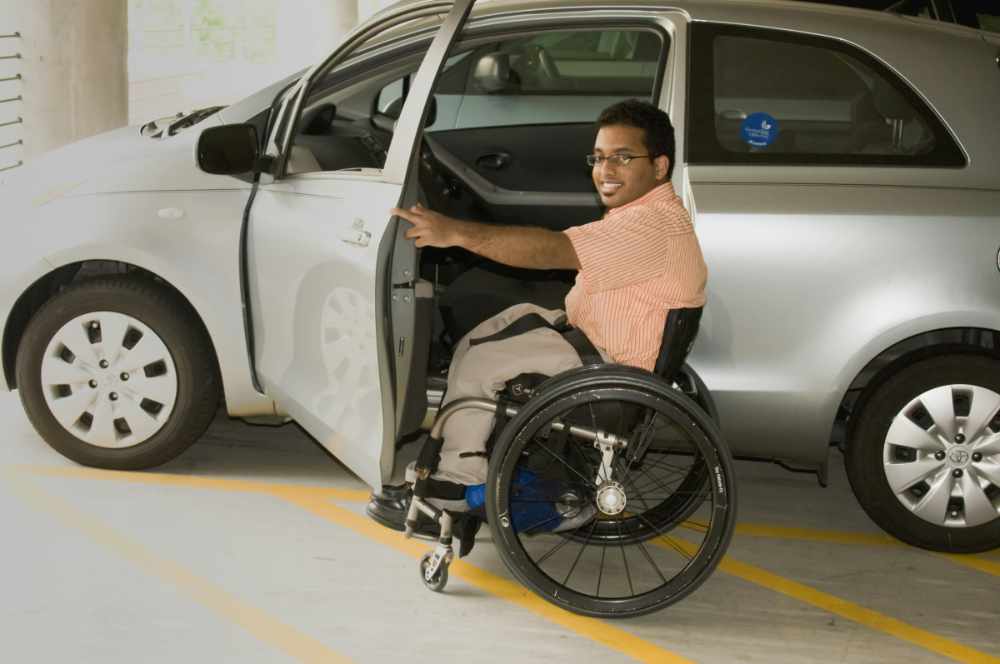
It’s also worth thinking about how you’ll transfer in and out of the vehicle and whether you’ll have enough room to manage your mobility equipment without rushing.
Public transportation and taxis
Accessibility varies considerably between cities and transportation providers.
Read up on buses, trains, ferries, accessible taxis, and rideshare services before your trip. Check whether wheelchair spaces are available, if reservations are required, and whether your mobility device can be accommodated.
A little advance planning will help you avoid arriving somewhere only to discover that your intended way home isn’t accessible.
5. Pace Yourself and Plan for Rest
One of the easiest mistakes to make when travelling is trying to do too much.
When you’re excited about a destination, it’s tempting to pack every day with sightseeing, shopping, restaurants, and activities. But if you live with chronic pain, arthritis, fatigue, or other mobility challenges, an overly ambitious schedule can leave you exhausted.
Instead, plan your trip around your energy and mobility needs.
Try the one-major-activity approach
Rather than planning several attractions in one day, choose one main activity and treat everything else as an option.
For example, you might visit a museum in the morning, return to your accommodation for a rest, and enjoy a quiet dinner nearby.
On another day, you could hit up a shopping district without having a second major outing.
This approach gives you flexibility without making your trip feel like a checklist of things you failed to accomplish.
Schedule rest before you need it
Don’t wait until your pain becomes severe or your energy disappears before taking a break.
Look for cafés, benches, indoor seating areas, or quiet places where you can pause. If you use a wheelchair, remember that remaining seated for long periods can also be tiring, so allow yourself opportunities to change position or rest in however works for you.
Rest is part of your travel plan, not a failure to follow it.
You may discover that doing less allows you to enjoy more of the experience.
6. Choose the Right Mobility Equipment
The best mobility aid for travel is the one that supports your needs, rather than the one you feel you should be using.
Some ambulatory wheelchair users prefer a manual wheelchair for occasional longer distances. Others find that a lightweight folding power wheelchair offers greater freedom, especially when pushing a manual chair would cause pain or fatigue.
Some people use more than one mobility aid, depending on the activity.
Think about the following factors when choosing equipment for your trip:
- Weight and portability: Can it be transported and stored easily?
- Battery range: Will it cover the distances you want to travel?
- Turning radius: Can you manoeuvre through hotel rooms, shops, and restaurants?
- Comfort: Can you remain seated comfortably for the length of your planned outings?
- Terrain: Is it suitable for the surfaces you’ll encounter?
- Charging: Will you have reliable access to charging facilities?
- Transport requirements: Can it be transported by your vehicle, airline, or other provider?
A compact power wheelchair may work wonderfully in a museum or shopping centre but struggle on slopes, gravel, or uneven outdoor paths. Similarly, a lightweight manual chair may be easy to transport but require more physical effort than you can easily manage.
Test your equipment in conditions similar to those you expect to encounter whenever possible.
If you’re considering a new mobility device specifically for a trip, try to become familiar with its controls, turning ability, braking, and charging routine before you leave.
7. Don’t Let Other People’s Opinions Determine Your Plans
Unfortunately, ambulatory wheelchair users sometimes have awkward questions or unhelpful comments.
Someone may see you standing up from your wheelchair and assume you don’t need it. Another person may offer unsolicited advice about walking more or insist that you look perfectly healthy.
These encounters can be uncomfortable, especially when you’re simply trying to enjoy your holiday.
You are not obligated to give your medical history to strangers.
If someone questions your use of a wheelchair, you can keep your response simple:
- “I use it when I need it.”
- “It helps me with my mobility.”
- “My needs vary from day to day.”
- “I’m comfortable with the way I manage my mobility, thank you.”
You can also choose not to engage.
Remember that other people cannot reliably determine your pain levels, fatigue, joint stability, or risk of falling simply by looking at you.
You don’t need to prove that you’re struggling “enough” to deserve your mobility aid.
Your energy is better spent enjoying the places you’ve travelled to see.
8. Pack a Small Mobility Travel Kit
A little prep can help you manage minor problems without disrupting your plans.
Consider packing a small bag with items suited to your needs.
Your travel kit might include:
- Your wheelchair charger and any necessary charging accessories.
- A phone and charging cable or power bank.
- Any prescribed medications in their original packaging.
- A list of relevant emergency contacts and medical info.
- A small repair kit or spare parts for your mobility equipment.
- Weather-appropriate clothing and a lightweight blanket.
- Water and snacks.
- Any personal comfort items.
- A copy of your equipment’s manual or operating instructions.
If you use a power wheelchair, check the battery level before leaving your accommodation each day. Plan charging opportunities around your expected use rather than assuming the advertised maximum range will always be achievable.
Battery performance can vary with terrain, temperature, load, and other conditions.
It’s also smart to know whom to contact if your wheelchair develops a problem while you’re away from home.
A few minutes of prep can offer peace of mind.
9. Make Dining and Shopping More Comfortable
Some of the most enjoyable parts of travelling involve activities such as trying a local restaurant, browsing a market, or visiting local shops.
But, these activities can involve mobility challenges.
Restaurants may have closely spaced tables, narrow aisles, or heavy doors. Shops may have displays that leave little room to manoeuvre.
Before visiting, consider calling ahead to ask about entrance access, table arrangements, and available space for your wheelchair.
When exploring shopping districts, look for routes with accessible entrances and places to rest.
Don’t hesitate to leave a crowded shop if manoeuvring becomes hard or uncomfortable. You can always return at a slower time.
And remember that you don’t have to walk through every aisle or visit every shop to enjoy an outing.
Sometimes, sitting outside a café with a favourite drink and people watching is every bit as memorable as a full day of sightseeing.
10. Have a Backup Plan for Difficult Days
Even the most carefully planned trip can include days when your symptoms are worse than expected.
You might wake up with increased joint pain, feel unusually fatigued, or discover that a planned route is less accessible than the information suggested.
Rather than viewing these situations as disasters, prep a few alternatives.
If an outdoor excursion becomes impractical, perhaps you could visit an accessible indoor attraction. If a walking tour is too demanding, look into a sightseeing bus or a guided tour with minimal walking. If you need to spend the afternoon resting, consider ordering in and enjoying a quiet evening.
It can also help to figure out where the pharmacies, medical facilities, and transportation options are before you arrive.
If you’re travelling with someone else, talk about your needs and expectations ahead of time. Let them know that you may need to change plans, take breaks, or return to your accommodation earlier than expected.
A flexible itinerary is often a better itinerary.
Having alternatives means you can adapt to your body without feeling that the entire trip has been spoiled.
11. Advocate for Yourself Without Feeling Guilty
This can sometimes be a struggle, but you know your body better than anyone else, and you are the person best positioned to explain what you need.
If you need help, ask for it. If a route is too hard, look for another option. If an activity is causing pain or fatigue, give yourself permission to stop.
You may need to ask a hotel to clarify its accessibility arrangements, ask for help at an airport, or explain that you need somewhere to sit while waiting.
These are reasonable requests.
When contacting businesses or transport providers, be specific about the accommodation you need rather than relying solely on labels such as “accessible.”
For example, explaining that you need a step-free entrance and enough room to turn a power wheelchair is much more useful than simply asking whether a venue is wheelchair friendly.
If an accommodation can’t be provided, ask what alternatives are available.
Being prepared to advocate for yourself doesn’t mean being demanding. It means giving yourself the best opportunity to have the experiences that matter to you.
12. Remember That Travel Doesn’t Have to Look a Certain Way
It’s easy to compare our trips with photos and travel stories that make every holiday look effortless.
We see people hiking mountain trails, wandering through cities for hours, and squeezing a dozen activities into a weekend.
But travel doesn’t have to look like that to be worthwhile.
You can enjoy a beautiful destination without walking every street. You can appreciate a garden from an accessible pathway rather than exploring every corner. You can spend an afternoon watching the ocean, browsing a small shop, or enjoying a leisurely meal.
The goal isn’t to do everything.
It’s to experience something meaningful in a way that works for you.
As an ambulatory wheelchair user, you may need to approach travel differently. You may need to plan more carefully, build in rest, or make decisions based on accessibility rather than just convenience.
That doesn’t make your adventures less valuable.
It simply means you’re finding a way to continue doing the things you love.
Travel on Your Own Terms
Travelling as an ambulatory wheelchair user can come with extra considerations, but those considerations don’t have to prevent you from exploring new places and creating memories.
By researching destinations, confirming accessibility, choosing appropriate mobility equipment, pacing your activities, and preparing for unexpected challenges, you can make travelling more manageable and enjoyable.
Most importantly, give yourself permission to travel in a way that respects your body.
You don’t have to walk to prove you can. You don’t have to keep up with everyone else. And you don’t have to spend your holiday pushing through pain just to say you’ve done everything on the itinerary.
Use your wheelchair when you need it. Rest when you need to. Ask for help when it makes sense, and change your plans when circumstances call for it.
You deserve to see the world, make memories, and enjoy new experiences without having to earn them through exhaustion or pain.
So start planning that getaway. Choose a destination that excites you, prepare for your mobility needs, and leave a little room for the unexpected.
Your next adventure doesn’t have to be perfect to be wonderful.
It just has to work for you.
Disclaimer: This article is for general informational purposes and is not a substitute for individualized medical advice or guidance from your mobility equipment provider. Accessibility, transportation, and airline requirements vary, so confirm arrangements directly with the relevant providers before travelling.